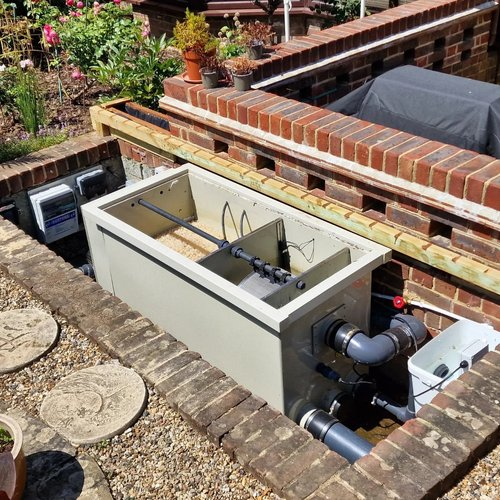
A pond may look calm and peaceful on the surface, but beneath that still water lies a complex ecosystem that needs constant balance. One of the most important components responsible for keeping that balance is the pond filters. Without effective filtration, even the most beautiful pond can quickly turn cloudy, smelly, and unhealthy. This is why pond filters are considered the backbone of any successful pond system.
Pond filters work quietly behind the scenes, removing waste, controlling toxins, and supporting beneficial bacteria that naturally clean the water. Whether you own a small wildlife pond or a heavily stocked koi pond, the right filtration system makes the difference between a low-maintenance, crystal-clear pond and one that constantly struggles with poor water quality.
Many common pond problems—green water, bad odours, stressed fish, and excessive sludge—are often the result of inadequate filtration. Investing in the right pond filter not only improves water clarity but also protects fish health and reduces long-term maintenance efforts.
What Are Pond Filters and Why Are They Essential?
The Role of Pond Filters in Water Quality
Pond filters are systems designed to remove physical waste and harmful substances from pond water. As fish eat, breathe, and produce waste, toxins such as ammonia build up in the water. Leaves, algae, and debris also add to the pollution load.
Pond filters help by:
- Removing solid debris
- Breaking down harmful chemicals
- Supporting beneficial bacteria
- Improving overall water clarity
Without filtration, waste quickly accumulates, leading to poor water quality and unstable conditions. A good pond filter keeps the water balanced and safe for fish, plants, and wildlife.
What Happens When a Pond Has Poor Filtration
When a pond lacks proper filtration, problems can appear surprisingly fast. Even ponds with pumps and water movement can suffer if waste is not being removed or processed effectively.
Common issues caused by poor filtration include:
- Cloudy or green water
- Unpleasant smells from decaying waste
- High ammonia and nitrite levels
- Fish stress, illness, or loss
Over time, sludge builds up at the bottom of the pond, reducing oxygen levels and creating an unhealthy environment. This is why filtration is not optional—it is essential for long-term pond success.
How Pond Filters Work
Mechanical Filtration Explained
Mechanical filtration is the first stage of pond filtration. Its purpose is to physically remove solid waste from the water before it breaks down.
Mechanical filtration removes:
- Fish waste
- Uneaten food
- Leaves and debris
- Algae clumps
This is achieved using materials such as sponges, brushes, filter foam, or mats. As water flows through the filter, these materials trap debris, preventing it from circulating back into the pond.
By removing waste early, mechanical filtration reduces the load on biological filtration and helps maintain clearer water.
Biological Filtration and Beneficial Bacteria
Biological filtration is where the real magic happens. This stage relies on beneficial bacteria that naturally colonise filter media. These bacteria break down harmful toxins into less harmful substances.
The biological process works as follows:
- Ammonia from fish waste is converted into nitrite
- Nitrite is then converted into nitrate
- Nitrate is removed through water changes or plant uptake
Without biological filtration, ammonia and nitrite levels can rise quickly, becoming toxic to fish. A well-established biological filter keeps water chemistry stable and safe.
Benefits of Using a Quality Pond Filter
Clearer Water and Reduced Algae
One of the most noticeable benefits of a good pond filter is clearer water. By removing waste and excess nutrients, filters help prevent algae blooms that cause green water.
Clear water benefits include:
- Improved pond appearance
- Better visibility of fish
- Enhanced enjoyment of the pond
When combined with a UV clarifier, a quality pond filter can maintain crystal-clear water throughout the year.
Healthier Fish and Pond Life
Fish thrive in clean, stable water. Pond filters help maintain safe oxygen levels and reduce harmful toxins that cause stress and disease.
Health benefits include:
- Reduced fish stress
- Lower risk of illness
- Improved growth and activity
A well-filtered pond supports a balanced ecosystem where fish, plants, and beneficial bacteria work together naturally.
Easier Pond Maintenance
With effective filtration in place, pond maintenance becomes far less demanding. Waste is removed continuously, reducing the need for frequent cleaning.
Maintenance advantages:
- Less sludge buildup
- Fewer water changes
- Reduced manual cleaning
This allows pond owners to spend more time enjoying their pond rather than constantly maintaining it.
Types of Pond Filters Available
Gravity-Fed Pond Filters
Gravity-fed pond filters are commonly used on koi ponds and larger installations. Water flows into the filter naturally and returns to the pond by gravity.
They are ideal for:
- Large ponds
- Heavy fish stocking
- Professional pond setups
These filters offer excellent biological capacity and are easy to maintain.
Pressurised Pond Filters
Pressurised filters are compact units that can be hidden easily. They allow water to be pumped uphill to waterfalls or streams after filtration.
Benefits include:
- Space-saving design
- Easy installation
- Suitable for small to medium ponds
They are popular for garden ponds with limited space.
Box and Internal Pond Filters
Box and internal filters are simpler systems often used in small ponds or temporary setups.
They offer:
- Basic filtration
- Easy installation
- Lower cost
While not suitable for heavily stocked ponds, they are useful for smaller applications.